
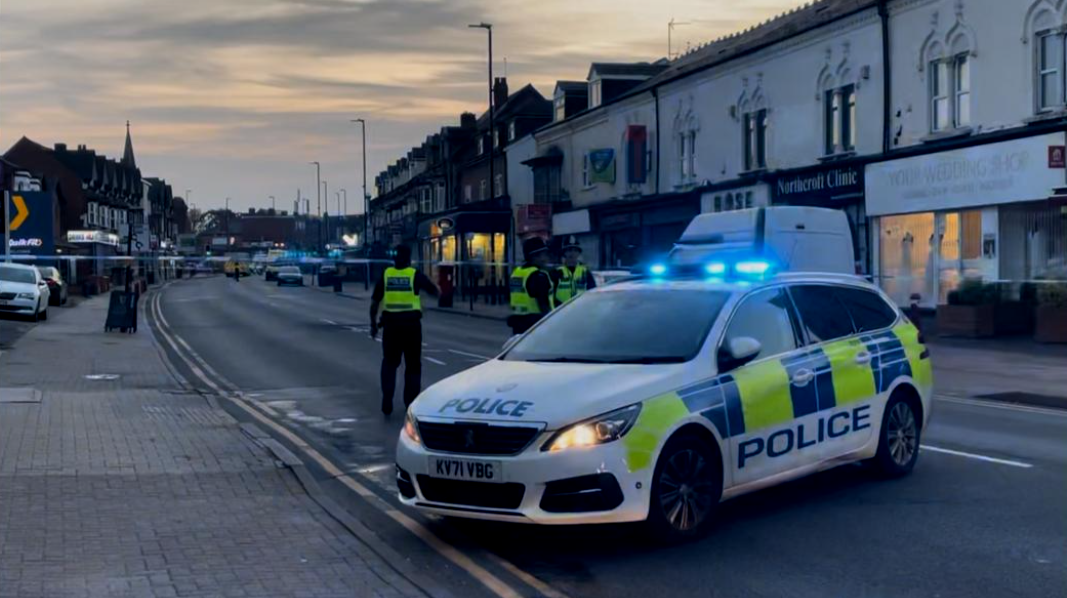
Birmingham 2026: Ten asks to address the road safety emergency
This is a campaign that we ran for the Birmingham local elections which took place in May 2026.
Backed by seventeen national and local organisations
Better Streets for Birmingham, RoadPeace, 20's Plenty for Us, Living Streets, Action Vision Zero, Mums for Lungs, Clean Cities Campaign, Solve the School Run, More Than a Cyclist, Royal Society for the Prevention of Accidents, Walk Cycle Play, ROAM, Change Kitchen CIC, Moseley Community Development Trust, Ecobirmingham, Pushbikes - The Birmingham Cycle Campaign and BikeBus.org.
The vision
Imagine a Birmingham where you walk or wheel easily along clear and well-kept pavements. You can pause on a bench for a moment of rest. There are trees to provide shade from the sun and shelter from the rain.
As you move around your community, you cross the street quickly and safely, confident that other people will give way.
Streets are calmer, which has made cycling an everyday option to many. There is a network of safe cycle routes connecting the city. You can park your bike securely in an on-street hangar or hire an e-bike affordably at the end of your street.
Most children walk, scoot or cycle to school, often with family or friends, getting fresh air and exercise to start the day ready for learning. After school, they can play and spend time outside safely, close to home.
For longer trips, your local bus, train or tram is reliable, affordable, frequent and available day and night. They get you to where you need to go on time. You tap your card and get charged the best fare for your day.
When you do need to drive, journeys are smoother and less stressful. Drivers are patient, roads are safer, and running a car costs less. If you don’t own a car, you can easily rent one when you need it.
You can move around your city freely, safely and confidently. You feel healthier, you spend less, and you have more time for the things that matter.
This is a Birmingham with better streets.
The problem
Getting around Birmingham too often means putting yourself at risk. Pavements are obstacle courses and road rules are rarely enforced.
The city has declared a road safety emergency. Someone is killed in a collision every two weeks, and someone is seriously injured every day. Beyond the personal and community tragedy, crashes cost Birmingham £205 million each year.
Every day, 10 million vehicle miles are driven on our streets — creating congestion that costs the city £300 million annually and contributing to 900 early deaths each year from poor air quality. Yet a quarter of car trips are under a mile, journeys that could often be made by walking, wheeling or cycling. With almost one third of Birmingham’s adults and a quarter of 11-year-olds obese, encouraging more people of all ages to walk, wheel or cycle would have a dramatic improvement in their health.
Birmingham features in 8 of the top 15 postcodes for uninsured drivers. Every road policing operation results in car parks full of vehicles confiscated for breaching the rules of the road.
Around a third of children are driven to school. Families often say they’d prefer to walk or cycle, but unsafe roads, dangerous parking, and traffic congestion make that difficult. As a result, the school run adds thousands of car trips each morning, worsening congestion and air quality around school gates.
Car ownership places a heavy burden on families, taking up around 25% of household income. At the same time, one in three Birmingham households has no car, and many who rely on cars do so because the alternatives feel unsafe, unreliable or unavailable.
Public transport faces major challenges. Buses are delayed by congestion, trams serve limited routes, and train timetables are frequently disrupted. Ticketing remains complex. The current network doesn’t meet the needs of our growing and diverse city.
Cycling and walking should be safe and practical choices, but many residents don’t feel protected. Only those using our limited patchwork of separated cycle lanes can travel with confidence — though six in ten people say they would cycle if more safe, direct and lit routes were built. Pedestrian access is frequently impeded by poorly parked vehicles.
In residential areas, speeding from through-traffic has become a major concern. Shortcutting traffic has risen 72% since 2009, often overwhelming local streets and junctions never designed for heavy flow. Outcries and petitions for road safety improvements fill councillor inboxes.
Funding for transport projects exists but delivery remains inconsistent. Progress can be slow and fragmented, leaving many disconnected from essential services, education, and employment.
Birmingham needs a joined-up and consistent approach to transport that puts its citizens’ safety, health, and connectivity at its heart.
What will you do to make our streets safe?
Our ten manifesto asks
Ask 1: Continue rolling out 20mph across the city to reduce casualties by 25% through signage, focusing on residential streets and local centres.
How to achieve it
- A rolling programme of 20mph limits across areas using signage
- Make streets self-enforcing through changes to make them greener and calmer
Benefits
- £63.5 million back into the local economy each year
- Cheaper insurance
- Fewer collisions
- 25% fewer casualties
- Cleaner air
- Quieter streets
National campaigns
Ask 2: Upgrade crossings and cut wait times so that people can cross streets safely and quickly.
How to achieve it
- Roll out a standard maximum wait time of up to 30 seconds
- Install countdown timers on routes with high footfall
- Upgrade crossings to be in line with modern statutory guidance
Benefits
- Walking and cycling becomes easier
- Greater safety as people know they will not have to wait long to cross
- Making changes crossing times incurs little to no cost
National campaigns
Ask 3: Roll out more school streets and wider journey improvements to make routes safer for children.
How to achieve it
- Create car free school streets outside school gates
- Improve crossings and signage in the catchment area
- Address pavement parking
Benefits
- Safer school journeys
- Better air quality around schools
- Improved physical and mental health
- Lower school traffic as more children walk, scoot and cycle
- More social interaction
- Greater independence of older children
National campaigns
Ask 4: Scale enforcement of the rules of the road by creating a programme of speed, red light, banned turn, box junction, bus lane, red line enforcement. Ensure the Council’s new parking enforcement service works.
How to achieve it
- Hypothecate moving traffic offence revenue for more camera sites
- Create a priority list across the site
- Incorporate cameras into new bus and cycle schemes
Benefits
- Bus and tram reliability
- Less congestion
- Reduced collisions and less severe outcomes
National campaigns
Ask 5: Clear pavements for disabled people, children and those who rely on them by creating a programme of controlled parking zones with residents permits and parking restrictions to define who and where people can park on a street.
How to achieve it
- Area-wide marked bays for resident permit holders and guest pass holders
- Area-wide prohibited parking restrictions
- Improve parking enforcement and work with West Midlands Police to ensure obstructive parking is dealt with by Operation Snap and local police teams
- Parking permit revenue is retained for new parking zones
Benefits
- Safe pavements
- Clear and visible crossings
- Increased walkability of local streets
- Local access for disabled people and those pushing prams
- More people making local trips by walking, wheeling and cycling
National campaigns
- Living Streets
- Walk Wheel Cycle Trust (previously Sustrans)
- Guide Dogs UK
- National Federation for the Blind UK
Ask 6: Build a network of cycle lanes and cycle-friendly streets connecting the city using devolved funding.
How to achieve it
- Reprioritise the local cycling and walking infrastructure plan
- Build lanes to modern standards - coherent, direct, safe, comfortable and attractive
- Build cycle lanes with temporary materials at first and upgrade later
- Cycle lanes are primarily funded by government grants through the Combined Authority
Benefits
- 6 in 10 Brummies want to cycle more
- £13:£1 benefit-cost ratio
- A more active population with better health
- Reduced and less severe collisions
- Improved air quality
- Reduce congestion as more people take local trips by cycling
National campaigns
Ask 7: Install residential cycle hangars using clean air zone money, targeting areas with terraced housing.
How to achieve it
- Use Clean Air Zone revenue and Active Travel Fund grants
- Prioritise terraced streets as with the EV lamppost chargers
Benefits
- Safe storage of residential cycles
- Increase in cycle ownership
- Uptake in cycling
National campaigns
Ask 8: Make residential streets greener and calmer by planting trees and rain gardens, installing benches, narrowing junctions and preventing shortcutting for the 46% still open to through-traffic. Update the next highways contract so that when repairing, they can make safety improvements.
How to achieve it
- Just under half of Birmingham's residential streets remain open to through-traffic and prone to being used as shortcuts
- Repurpose ETNF to be used on meaningful interventions
- Run a programme of area-wide schemes to create Healthy Streets and keep through-traffic to main routes
- When forming the new highways maintenance contract, ensure that highway and utility works can make minor safety changes, following the Dutch 'work with work' approach
Benefits
- Cleaner air
- Lower temperature streets
- Lower speeds
- Less anti-social driving
- Places to rest for those with mobility issues
- Lower road noise linked to lower dementia risk
- Less congestion at junctions from drivers making shortcuts
- More local trips walked, wheeled and cycled
- Greater interaction between neighbours
National campaigns
- London Cycling Campaign
- Action Vision Zero
- Living Streets
- Walk Wheel and Cycle Trust (formerly Sustrans)
- RoSPA
- Healthy Streets
- Create Streets
- Green Earth Plan
- Possible
Ask 9: Upgrade public transport by working with Transport for West Midlands to upgrade bus lanes, railway stations and new tramways.
How to achieve it
- Engage with WMCA to deliver the Local Transport Plan
- Continue with an ambitious programme of bus lanes and bus rapid transit routes
- Open new tram routes
- Reopen stations on the Sutton Park line and Balsall Heath
- Lobby for 24/7 bus routes as part of franchising
- Lobby for later train services at the weekend to support the nighttime economy
Benefits
- Reliable journey times by public transport
- Public transport costs are 88% lower than car ownership, freeing up for the local economy
National campaigns
- Campaign for Better Transport
- Create Streets
- Clean Cities Campaign
- Campaign for Better Buses
- Low Traffic Future
- Bus Users UK
Ask 10: Change parking charges and permits to be based on the vehicle by considering size, weight and emissions.
How to achieve it
- Upgrade parking meters
- Update parking tariffs and permits accounting for size, weight and emissions
Benefits
- Disincentivises SUV ownership
- Smaller cars are less likely to kill in a crash
- Smaller cars pollute less
- Smaller cars wear out the road less
- Smaller cars free up road space for other uses
National campaigns
Politician or political candidate looking to get something done?
Check out our guide to requesting transport improvements and getting things done, including a handle table of who owns and maintains what in the public realm and transport.
106 deaths between 2026 and 2030 assumes no further interventions are made and deaths continue to plateau with an occasional uptick anomaly year-to-year.
The percentage of residential streets open to through traffic is based on OpenStreetMap data and Cycle Streets analyses. We have refined this data further to filter out motorways, main roads (A, B and unnumbered [C] classified roads) and service roads (e.g. access roads to hospitals or golf courses and car parks). We have only included residential streets and living street highway types (combined, these are 'residential streets') - a total of 1,662km. Residential streets open to through-traffic make up 766km (46.1%). Of streets open to through-traffic, 69km feature traffic calming measures such as speed humps, speed cushions, chicanes or one-way systems. Residential streets not open to through-traffic make up 896km (53.9%). Our base data is available in a JSON format here.